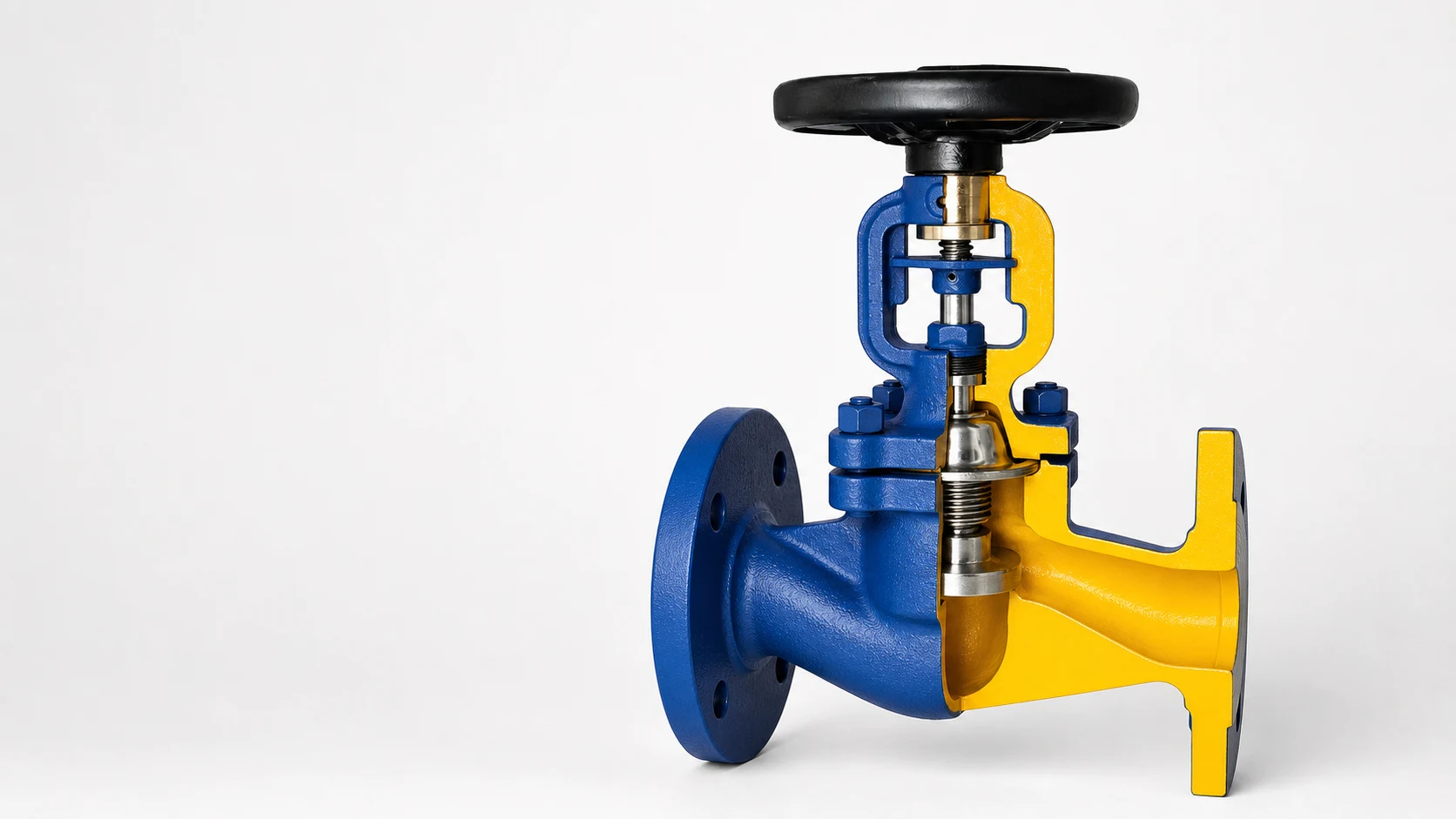
The core difference between an API gate valve with a bolted bonnet and a pressure seal gate valve comes down to how the body-bonnet joint handles rising system pressure: a bolted bonnet relies on gasket compression from stud torque, while a pressure seal design uses the line pressure itself to tighten the seal. For engineers and buyers working on piping specifications above Class 900, this design choice affects valve weight, maintenance tooling, spare parts planning, and long-term seal reliability.
This article compares the two bonnet designs across their structural principles, applicable pressure classes, maintenance profiles, and cost considerations. It also introduces the HN100 and HN101 product lines to help connect the technical comparison to actual valve models that can be specified in procurement packages.
Key Takeaways
– Bolted bonnet gate valves rely on stud torque and gasket compression for sealing; pressure seal designs use line pressure to self-energize the joint.
– At the same NPS and pressure class, Pressure seal gate valves can be lighter than comparable bolted-bonnet designs, but the difference must be checked on the supplier drawing for the selected size and class.
– Pressure seal generally performs best where line pressure is sufficient to energize the seal; below this, bolted bonnet designs provide more reliable low-pressure sealing.
– Honiks supplies both configurations — HN100 for bolted bonnet applications and HN101 for pressure seal service in Class 900–2500.
What Is an API Gate Valve?
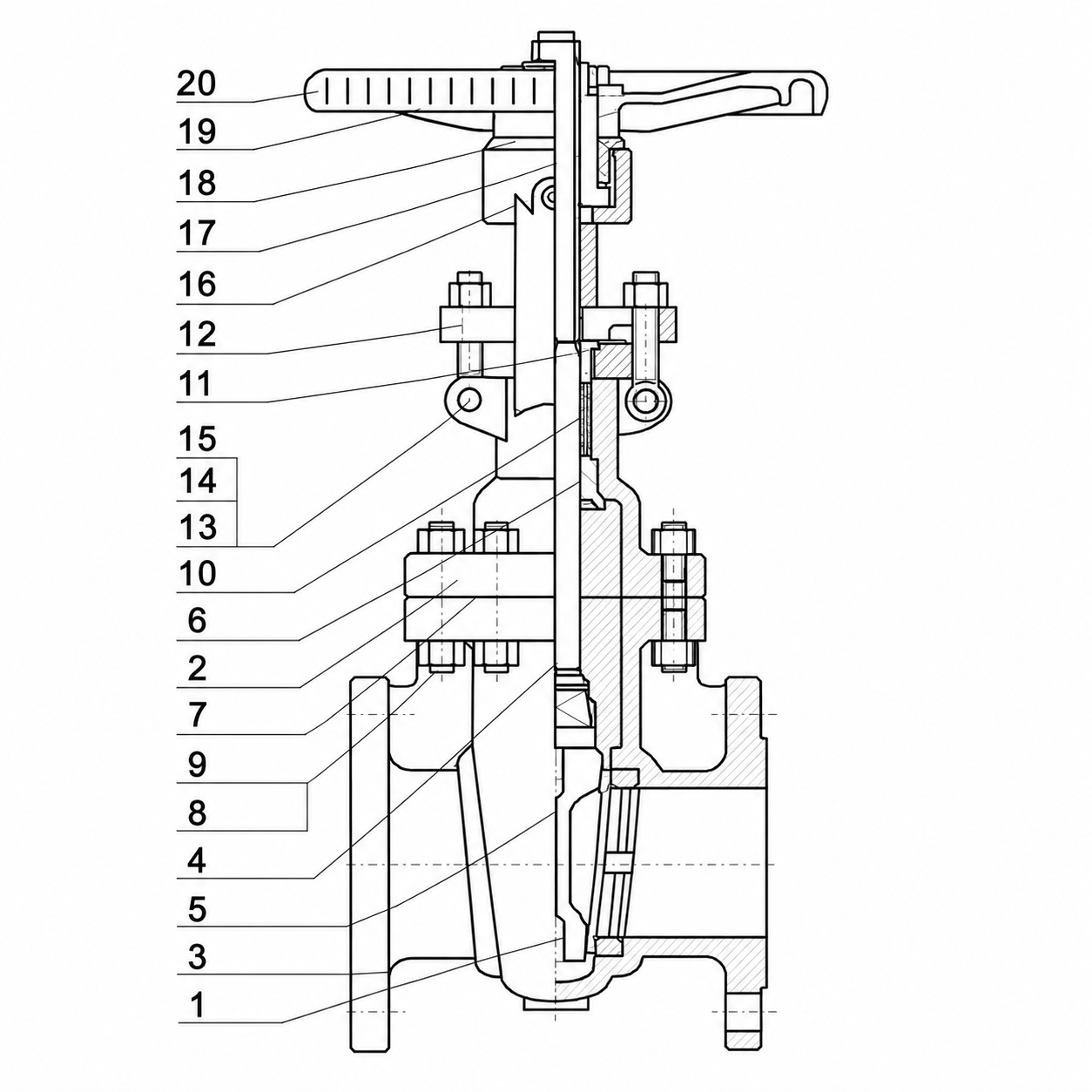
An API gate valve is a linear-motion isolation valve designed to API and ASME standards for on-off pipeline service. Key standards include API 600 (cast steel gate valves), API 6D (pipeline valves), ASME B16.34 for pressure-temperature ratings, ASME B16.10 for face-to-face dimensions, ASME B16.5 for flanged ends, ASME B16.25 for butt-weld ends, and API 598 for pressure testing.
These valves use a wedge or slab gate that travels perpendicular to the flow path. When fully open, the gate retracts into the bonnet, producing a straight-through flow passage with minimal pressure drop. When fully closed, the gate contacts the seat rings to create the downstream seal. Gate valves are not designed for throttling — partial opening exposes seating surfaces to high-velocity flow that accelerates erosion.
The bolted bonnet configuration — the traditional design for most API gate valves — joins the body and bonnet with a circle of studs and nuts, with a gasket (commonly spiral-wound or ring-type joint) between the machined flange faces. Sealing force comes entirely from bolt preload. As internal pressure rises, it pushes upward against the bonnet, working against bolt tension. This is why bolted bonnet flanges become progressively larger and heavier as pressure class increases.
API gate valves cover Class 150 through Class 2500, sizes NPS 2 through NPS 48 depending on class. Materials include cast carbon steel (WCB), chromium-molybdenum alloy steels (WC6, WC9), and low-temperature carbon steel (LCB). End connections can be raised face (RF), butt-weld (BW), or RTJ.
For a broader look at the product range, see the API Valves, ANSI Valves and Gate Valves category pages.
What Is a Pressure Seal Gate Valve?
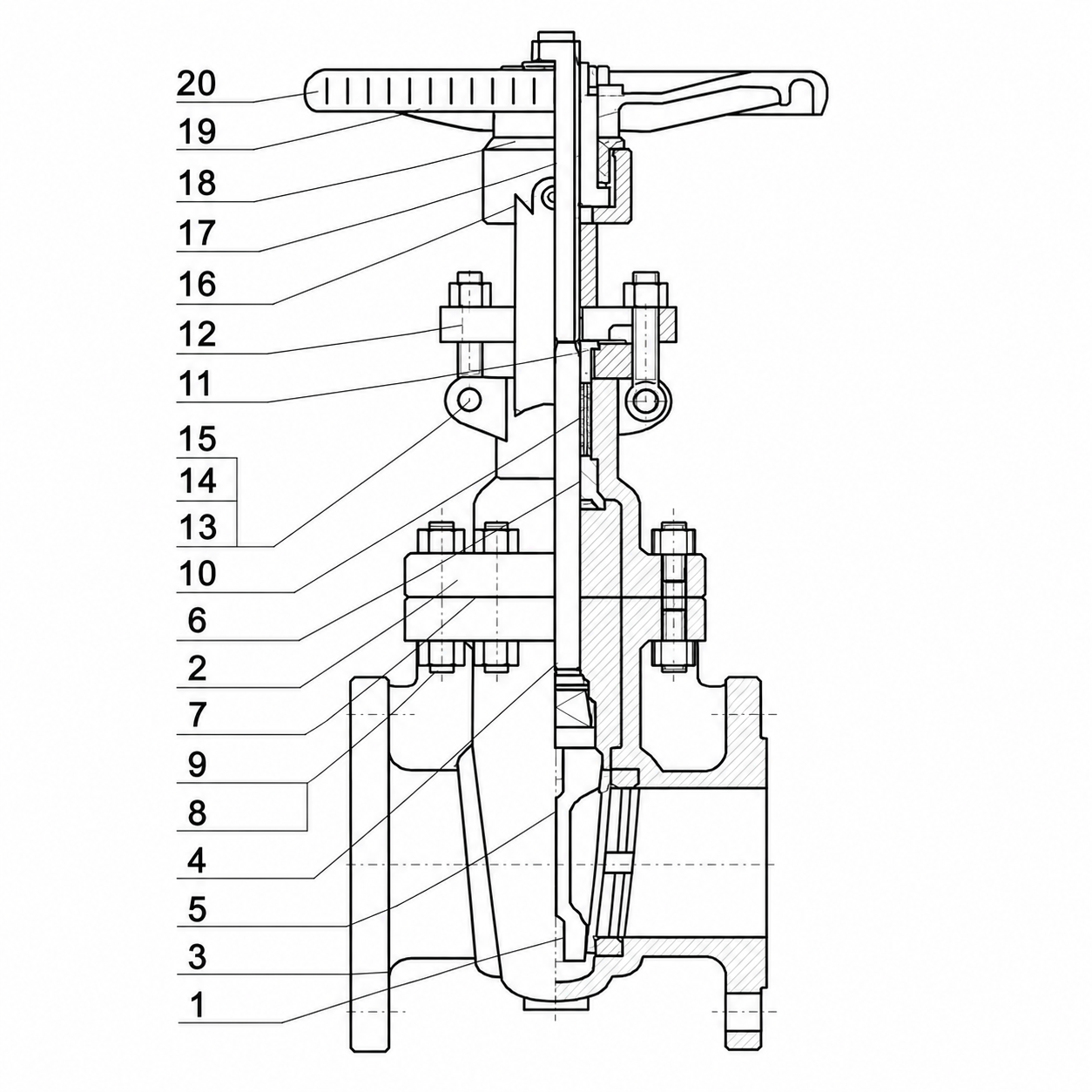
A pressure seal gate valve replaces the bolted bonnet flange with an internally mounted, self-energizing seal arrangement. The bonnet sits inside a machined cavity in the valve body, held by a segmented thrust ring. A wedge-shaped gasket — commonly die-formed flexible graphite — sits between the bonnet and the body wall.
The sealing mechanism works on a fundamentally different principle:
– At assembly, the bonnet is drawn upward by tightening the adjustment bolts, creating initial contact between the gasket and body cavity surfaces.
– Under pressure, the line pressure pushes the bonnet upward, forcing the gasket to expand radially against the body cavity wall. The higher the system pressure, the greater the sealing contact stress — pressure assists the seal rather than working against it.
– During thermal cycling, the internally mounted sealing elements accommodate differential thermal expansion more effectively than external bolted fasteners, which is critical in power plant steam service where startup and shutdown cycles subject valves to temperature swings of several hundred degrees.
This self-sealing behavior is one reason pressure-seal construction is commonly specified for some Class 900, Class 1500 and Class 2500 isolation applications in power generation, refinery high-pressure and petrochemical service; the applicable bonnet design must be confirmed against service conditions, pressure-temperature rating, project specification and approved valve datasheet. Per ASME B16.34 at 38C ambient, the working pressures at these classes for WCB material are 2,220 PSI (Class 900), 3,705 PSI (Class 1500), and 6,170 PSI (Class 2500) — pressures at which bolted bonnet flanges become impractically large and heavy.
Pressure seal gate valves are commonly manufactured to API 600 and ASME B16.34, with additional guidance from MSS SP-144 for pressure seal bonnet design specifics. They are available from NPS 2 through NPS 36 in Class 900–2500, with RF, BW, and RTJ end options.
For more on this product category, visit the Pressure Seal Valves page.
For a similar comparison on the globe valve side, read our API globe valve vs pressure seal globe valve comparison.
Main Differences Between API Gate Valve and Pressure Seal Gate Valve
The following table summarizes the key design and operational differences between a standard bolted bonnet API gate valve and a pressure seal gate valve. These differences drive the selection logic for procurement and engineering teams.
| Feature | API Gate Valve (Bolted Bonnet) | Pressure Seal Gate Valve |
|---|---|---|
| Bonnet structure | Flanged bonnet secured by studs and nuts; external bolting visible and accessible | Internally mounted bonnet with segmented thrust ring; compact profile with no external flange |
| Sealing mechanism | Gasket compression from stud torque; sealing force comes from preload alone | Self-energizing: line pressure pushes bonnet upward, compressing the gasket radially against the body cavity |
| Typical pressure class | Class 150–600 standard; Class 900–2500 available but with significantly heavier construction | Class 900–2500 are commonly specified for relevant high-pressure service; below Class 600, selection depends on service conditions, cost, maintenance and project requirements. |
| Weight | Heavier at equivalent class/size due to flange and bolting mass | can be significantly lighter than bolted bonnet designs at the same pressure class; actual weight should be confirmed by approved drawing; the weight savings increase with pressure class and NPS |
| Maintenance | Simple: standard wrenches for disassembly; gasket replacement straightforward; Planned disassembly or gasket work requires isolation, depressurization, drain/venting, safe temperature and control of other energy sources per the approved IOM. Any body/bonnet bolt torque verification or re-tightening must follow the specific valve procedure and site permit; this comparison does not authorize adjustment on a pressurized or hot valve. | Requires specialized knockout tools to release the segmented ring; seal ring should be replaced (not reused) during reassembly |
| Cost level | Lower unit cost at Class 150–600; cost escalates sharply at Class 900+ due to material and machining | Higher unit cost at equivalent class, but the total installed cost (including supports, handling, freight) may be lower in larger sizes |
| Recommended Honiks model | API Cast Steel Gate Valve HN100 | Pressure Seal Gate Valve HN101 |
For a 12-inch Class 2500 gate valve, the body and bonnet design must accommodate the applicable Class 2500 pressure boundary; a pressure-seal design can use an internal sealing arrangement instead of the larger external flange used by some bolted-bonnet configurations. Actual weight depends on the offered size, pressure class, body and bonnet design, end connection and material, and must be confirmed against the approved drawing.
On maintenance, bolted bonnets can be opened with standard hand tools. Pressure seal disassembly requires a specialized knockout tool, and the seal ring should be replaced during reassembly. Pressure seal valves are commonly maintained during planned unit outages, so the incremental complexity is absorbed into the turnaround workflow.
When to Choose HN100 API Cast Steel Gate Valve
The HN100 is a bolted bonnet API cast steel gate valve covering Class 150 through Class 2500, sizes NPS 2 to NPS 48 depending on pressure class. It is designed for full-open or full-closed isolation in ANSI pipeline systems across oil, gas, petrochemical, power, and general industrial applications.
The bolted bonnet construction makes HN100 the practical choice in several scenarios:
Lower to moderate pressure classes (Class 150–600). At these ratings, bolted bonnet flanges are within standard sizing, and the gasket-and-stud sealing approach has extensive field data behind it. There is no performance justification for the added cost of a pressure seal design.
Class 900 service where budget or maintenance simplicity is the priority. While pressure seal is preferred for Class 900 and above in steam and high-temperature service, there are Class 900 applications — ambient-temperature gas transmission, for example — where bolt relaxation and thermal cycling are not primary concerns. In such cases, a bolted bonnet HN100 can meet the specification while keeping maintenance access straightforward.
Standardization across a project. When a piping specification covers multiple pressure classes, procurement teams sometimes prefer a single valve model across Class 150 through Class 2500 to simplify supplier qualification and spare parts inventory. HN100 covers this range.
Material flexibility. HN100 can be supplied in WCB, WC6, and LCB body materials, covering carbon steel, Cr-Mo, and low-temperature requirements. End connections — RF, BW, or RTJ — are configurable by pressure class.
The API Cast Steel Gate Valve HN100 product page provides detailed dimension tables by pressure class and size, material traceability options, and end connection configurations.
When to Choose HN101 Pressure Seal Gate Valve
The HN101 is a pressure seal gate valve for high-pressure isolation — available in Class 900, Class 1500, and Class 2500, sizes NPS 2 to NPS 36. Its self-sealing bonnet makes it the appropriate choice when operating conditions involve high pressure combined with elevated temperature, thermal cycling, or weight-sensitive installation environments.
Target applications include:
– High-pressure steam systems: Main steam isolation, turbine bypass, and boiler feedwater in thermal and combined-cycle power plants — where Pressure-seal construction is commonly selected for high-pressure, high-temperature power-piping service, but the bonnet design must follow the project specification, design conditions, material rating and approved valve datasheet.
– Refinery and petrochemical high-pressure circuits: Hydroprocessing units and high-pressure separation trains where process pressures reach Class 1500–2500 and hydrogen or hydrocarbon service demands reliable body-bonnet sealing.
– High-pressure oil and gas: Wellhead isolation, gas injection lines, and transmission stations operating above Class 900, where a lower-weight pressure-seal configuration may help installation planning; actual weight must be confirmed against the approved drawing for the offered configuration.
– Superheated steam distribution: Where temperature cycles during startup and shutdown would progressively relax bolted bonnet studs. The internal seal ring in HN101 compensates for thermal movement without depending on fastener preload.
The HN101 incorporates a flexible disc with guide for reliable shut-off, with solid or open-loop disc options available per project requirements. The changeable seat ring design allows seat material independent of the body — useful when the process medium requires a harder or more corrosion-resistant seating surface. Stem construction is cast T-type, with handwheel standard and bevel gear operation available for larger sizes.
For detailed specifications, dimension tables, and material options, see the Pressure Seal Gate Valve HN101 product page.
When reviewing the design-standard field, use our API 600 vs API 602 gate valve comparison to distinguish the two scopes before requesting a quotation.
Selection Checklist for Buyers
When preparing an inquiry for gate valves — whether bolted bonnet or pressure seal — providing the following information upfront helps suppliers return accurate technical proposals and pricing without multiple rounds of clarification:
– Valve type: Bolted bonnet gate valve or pressure seal gate valve. If unsure, state operating conditions and ask the supplier to recommend.
– NPS size: HN100 available NPS 2–48 depending on class; HN101 NPS 2–36.
– Pressure class: Class 150, 300, 600, 900, 1500, or 2500 per ASME B16.34. This is the single most important parameter for bonnet design selection.
– Body material: WCB (carbon steel), WC6, WC9, CF8M (stainless), LCB (low-temperature), or other project-specified grade.
– End connection: RF, BW (per ASME B16.25), or RTJ — must match the mating pipe specification.
– Medium and temperature: Operating fluid/gas and temperature range. Temperature derates allowable pressure per ASME B16.34 curves.
– Applicable standard: API 600, API 6D, or other governing standard affecting dimensions, testing, and documentation.
– Quantity: Number of valves per size and class.
– Documentation: Material test certificates (EN 10204 3.1/3.2), PMI, NDE scope, API 598 pressure test reports, and any project-specific ITP.
FAQ
Q1: Is a pressure seal gate valve always better than a bolted bonnet gate valve?
No. The pressure seal design offers clear advantages at Class 900 and above — particularly in high-temperature steam service where thermal cycling can relax bolted bonnet studs — but it is not the right choice for every application. Below approximately 500 PSI of line pressure, the self-energizing mechanism may not fully activate, making a bolted bonnet with a properly compressed gasket the more reliable option. Pressure seal valves also require specialized tooling and have higher unit costs. The selection should be driven by operating conditions — not by a general assumption that one design is categorically superior.
Q2: Which pressure classes commonly use pressure seal bonnet design?
Pressure-seal bonnets are commonly specified for some Class 900, Class 1500 and Class 2500 gate and globe valve applications; the transition from bolted bonnet to pressure-seal construction depends on service conditions, pressure-temperature rating, maintenance requirements and the project specification. For reference, ASME B16.34 WCB working pressures at 38C are: Class 600 = 1,480 PSI, Class 900 = 2,220 PSI, Class 1500 = 3,705 PSI, and Class 2500 = 6,170 PSI.
Q3: Can HN100 and HN101 both be supplied with BW or RTJ ends?
Yes. Both HN100 and HN101 can be configured with raised face (RF), butt-weld (BW per ASME B16.25), or ring-type joint (RTJ) end connections depending on pressure class and project specification. The available end connection options for a specific size-class combination should be confirmed against the approved project drawing, as not every end type applies to every size-class pair (for example, RTJ is more common at Class 900 and above, and certain large sizes may have end connection restrictions).
Q4: What information should I provide before requesting a quotation?
At minimum, provide: valve type (bolted bonnet or pressure seal gate valve), NPS size, pressure class, body material grade, end connection type (RF/BW/RTJ), operating medium and temperature range, applicable design standard (API 600 / API 6D), and quantity. For projects with specific documentation requirements — material certificates, PMI testing, NDE scope, or third-party inspection — include these in the initial inquiry. The more complete the specification, the fewer clarification rounds before a proposal can be prepared.
If you are also comparing gate and ball configurations, see our API gate valve vs ball valve comparison.
Conclusion
Choosing between a bolted bonnet API gate valve and a pressure seal gate valve is driven primarily by pressure class and operating temperature, with secondary factors including maintenance access, weight constraints, and project standardization.
For Class 150 through Class 600, the bolted bonnet design — represented by the HN100 series — remains the practical choice. It uses standard tooling and provides reliable sealing within these pressure-temperature envelopes.
For some Class 900 and above applications — particularly high-temperature steam, refinery high-pressure circuits, and weight-sensitive installations — the HN101 pressure-seal bonnet may be selected. Its self-energizing seal converts rising line pressure into a tighter body-bonnet joint; suitability depends on the service conditions, pressure-temperature rating, project specification and approved configuration.
For technical specifications, dimensional data, or project-specific pricing on HN100 and HN101 gate valves, Contact Honiks with your valve requirements. Providing the details outlined in the selection checklist above allows a faster, more accurate response.
Meta Title: API Gate Valve vs Pressure Seal Gate Valve: High-Pressure Selection Guide
Meta Description: Compare bolted bonnet and pressure seal gate valves for Class 900–2500 service. Covers sealing principles, weight, maintenance, and selection criteria for engineers and procurement teams.
Primary Keyword: api gate valve
Secondary Keywords: pressure seal gate valve, API gate valve supplier in China, Class 900 gate valve, Class 1500 gate valve, Class 2500 gate valve, ANSI gate valve
URL Slug: /blog/api-gate-valve-vs-pressure-seal-gate-valve/
Word Count: ~2,100