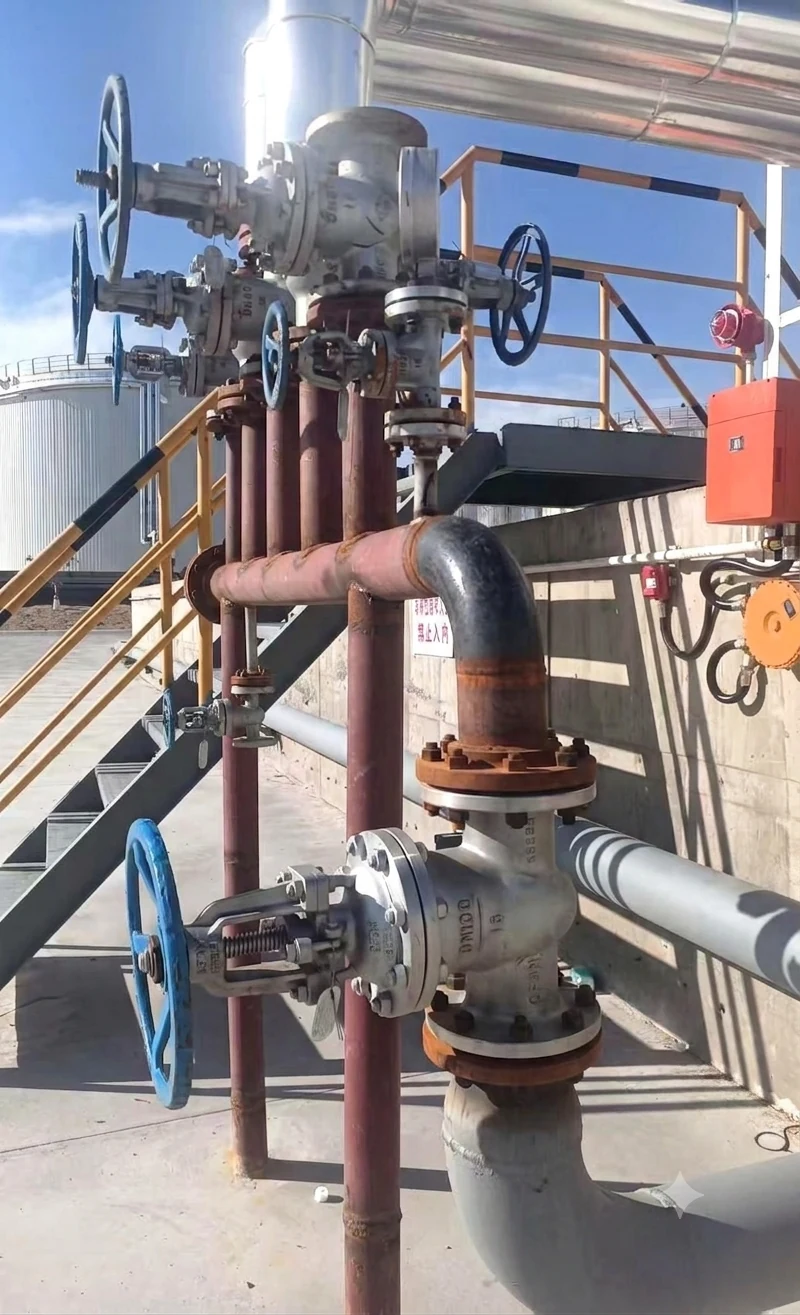
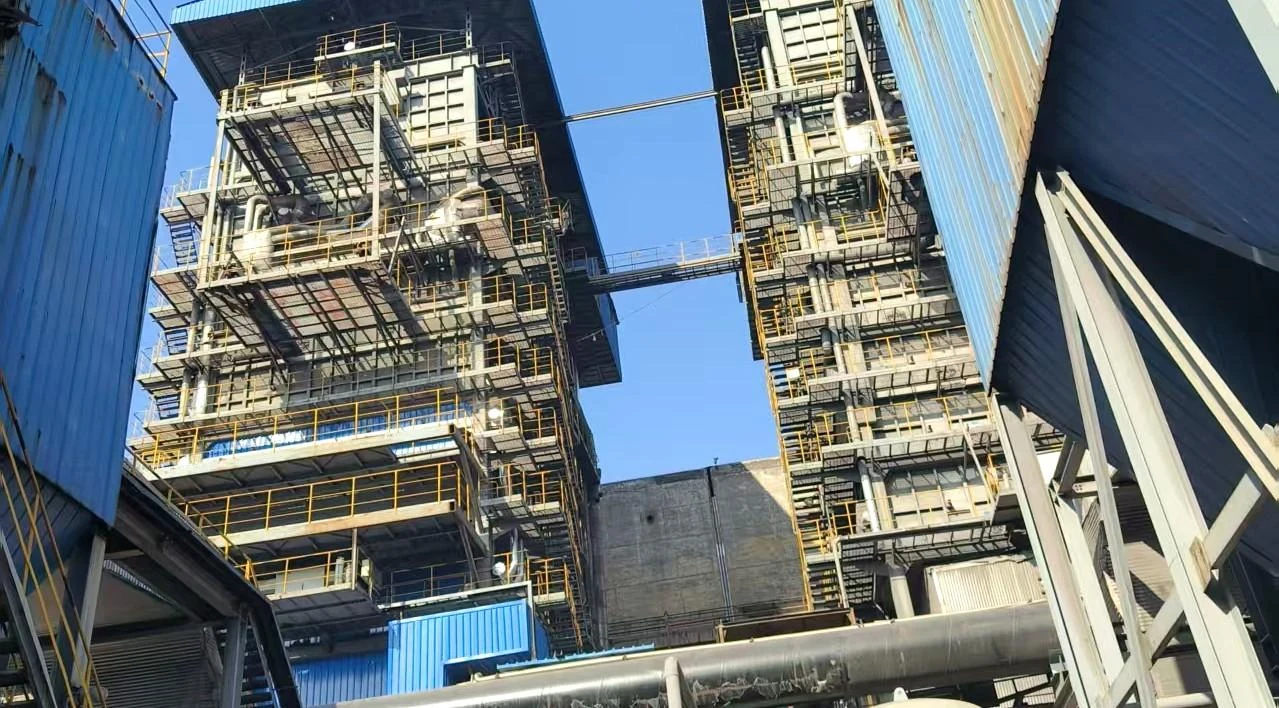
A gate valve that will not seat properly on a backwash line. A butterfly disc that half-opens on an intake pipe. A check valve that slams shut every time the pump stops. Any one of these adds maintenance hours and unplanned downtime to a water treatment plant. Industrial valves for water treatment plants touch every stage of the process — intake, coagulation, sedimentation, filtration, disinfection, distribution pumping, backwash, and sludge handling — and a bad match at any point cascades into leakage, pressure loss, or early failure.
Getting the valve selection right means matching type, material, and pressure class to the actual service condition at each location. This guide covers the valve types, materials, and documentation points that procurement teams and engineers should evaluate when preparing a water treatment valve selection for a new build, expansion, or replacement project. Honiks is a factory-backed industrial valve supplier based in China, supporting project inquiry review, documentation support, and quality control for water and wastewater valve supply.
Key Takeaways
- Gate and butterfly valves handle most isolation duties in water treatment plants. The choice between them affects installed cost, maintenance access, and pressure loss.
- Check valves at pump discharge lines prevent reverse flow that can damage impellers and cause water hammer — check valves for pump discharge protection should not be an afterthought.
- Strainers protect downstream equipment from debris. In water intake and raw water lines, strainers for water treatment piping are often the difference between a clean system and a fouled one.
- Material selection starts with what is flowing through the valve, not what grade the last project used. Coated carbon steel covers most positions; stainless steel is needed where corrosion or product purity is a concern.
- An incomplete inquiry is the single biggest reason first-round quotes come back wrong. The common gap? Missing medium data or unstated material preference.
Valves in Water Treatment Plants — Where They Are Used
Valves are positioned at nearly every connection point in a treatment plant. At the raw water intake, large-diameter isolation valves control flow from the source. Inside the plant, valves on chemical dosing lines regulate coagulant, flocculant, and disinfectant feed rates. At the filter gallery, valves control backwash sequencing. At the clear well and distribution pump station, pump discharge check valves prevent reverse rotation when pumps cycle off, and isolation valves allow individual pump maintenance.
Water and wastewater valves serve two overlapping but distinct duty cycles. Water treatment valves handle clean, treated, or partially treated water at moderate temperatures and pressures. Wastewater valves face solids, grit, and sometimes corrosive conditions — material selection shifts accordingly. For a broader view of how Honiks supports these projects, see the Water Treatment Solutions page.
Valve Type Selection by Duty
Isolation — Gate Valves and Butterfly Valves
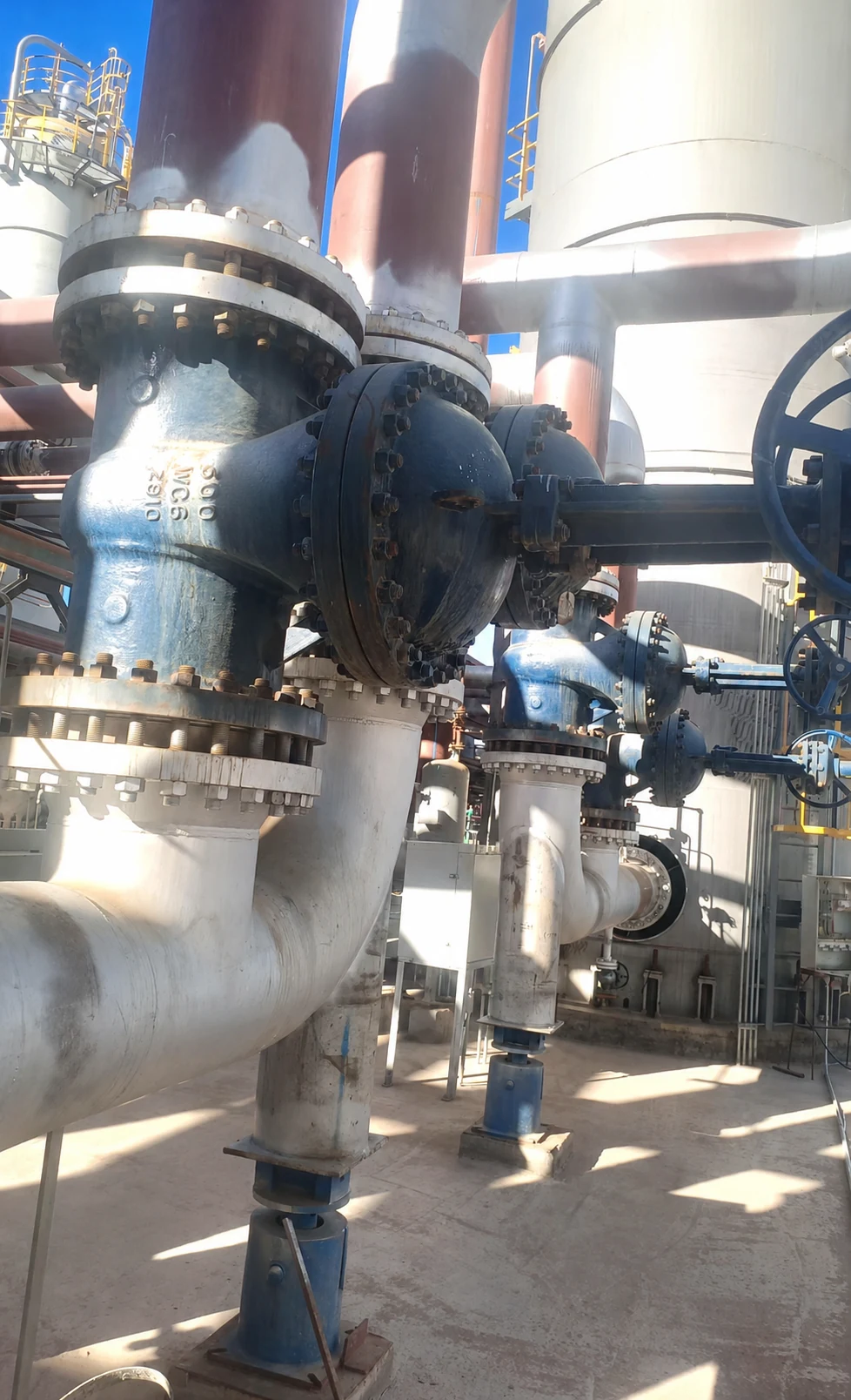
Isolation valves are the most common type in any treatment plant — on tank inlets and outlets, pump suction and discharge, filter inlet and outlet, and cross-connection lines. The two main choices are gate valves for water treatment and butterfly valves for water treatment, each with a different cost-weight-space profile.
Gate valves provide a full-bore straight-through flow path with negligible pressure drop when open. For water lines above roughly DN200 where the valve stays open most of the time and cycles infrequently, a gate valve is the natural choice. For a specific product option, see the flanged gate valve HN63. The API Cast Steel Gate Valve HN100 covers cast steel gate configurations for water service where cast steel construction is required. For a broader look at available configurations, see the Gate Valves category.
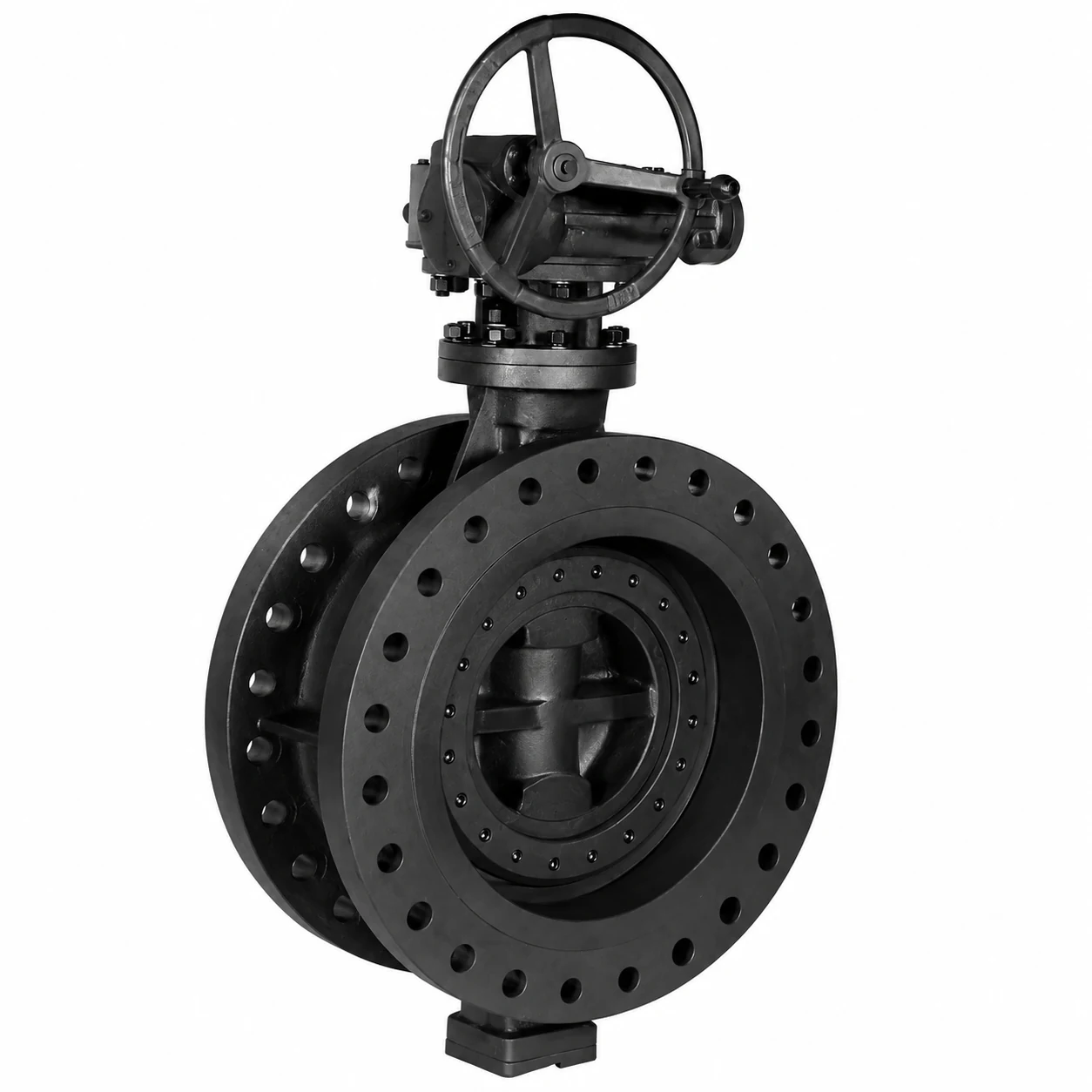
Butterfly valves offer a compact, lightweight alternative with a disc that rotates 90 degrees inside the body. For space-constrained installations and large-diameter lines up to DN2000 and above, butterfly valves reduce weight, cost, and actuator size compared to gate valves. The Wafer Butterfly Valve HN107 fits between flanges and covers a range of water service applications. Additional options are listed in the Butterfly Valves category.
Flow Regulation — Globe Valves
Where flow needs to be adjusted rather than simply turned on or off, globe valves are the conventional choice. In water treatment, globe valves appear on chemical dosing lines, bypass circuits, and steam or hot water services where controlled throttling matters. The pressure drop penalty of a globe valve is acceptable on small-diameter auxiliary lines where precise control outweighs flow efficiency. For compatible configurations, see Globe Valves.
Backflow Prevention — Check Valves
Every pump discharge line needs a check valve to prevent reverse flow when the pump stops. Without one, water hammer can damage pump impellers and pipe supports, and reverse rotation can score bearing surfaces. Swing check valves are widely used in water applications because they offer low pressure drop and reliable closure under gravity-assist.
The API Swing Check Valve HN104 covers bolted-cover swing check designs with renewable seat rings, suitable for horizontal and vertical-upward water service. Additional configurations are in the Check Valves category.
Debris Protection — Strainers
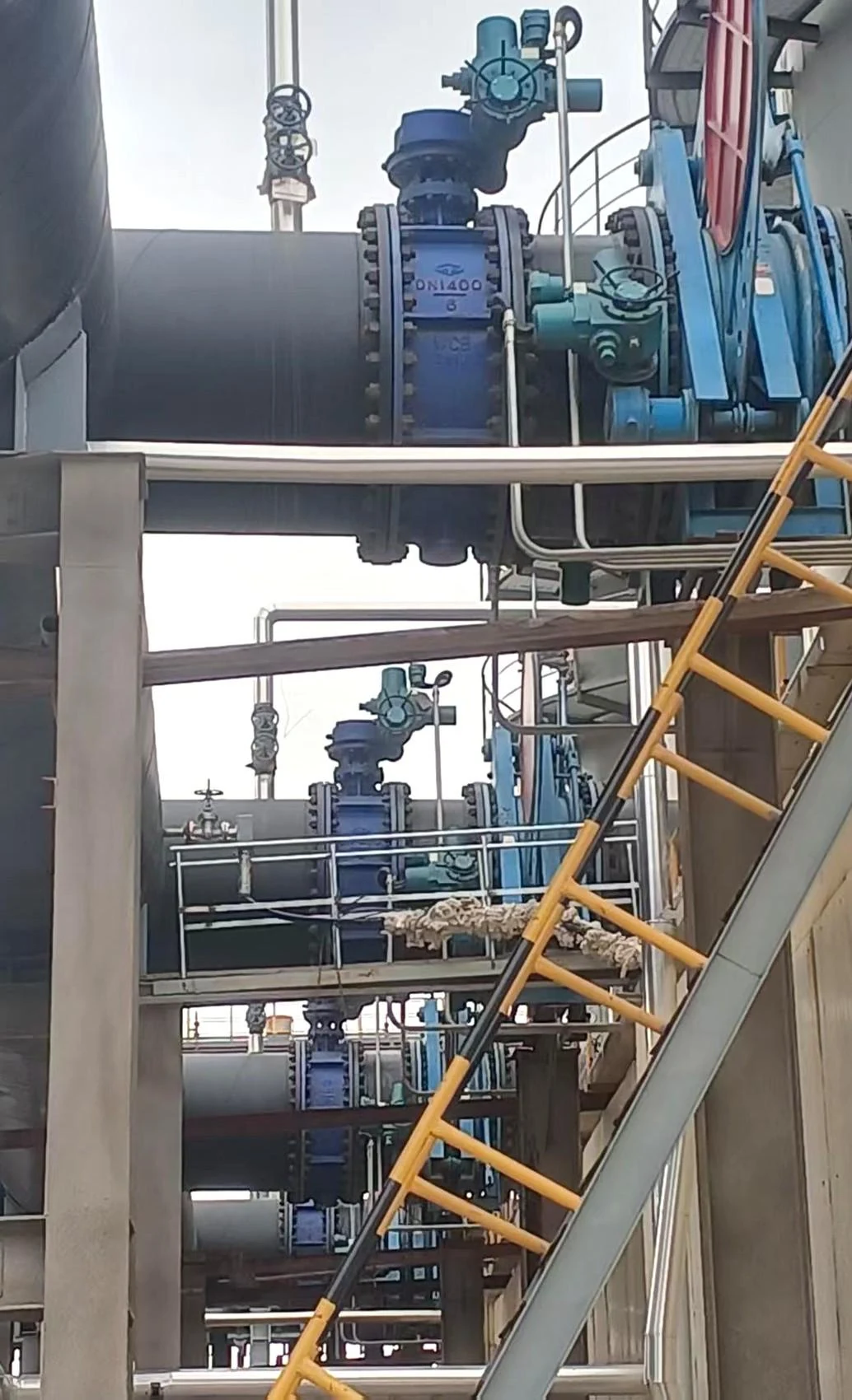
Strainers sit upstream of pumps, flow meters, control valves, and other sensitive equipment to catch debris before it causes damage. In raw water intake lines, Y-type or basket strainers with perforated screens are standard. Cleaning frequency depends on source water quality — a strainer on a river intake needs more attention than one on a treated water line. The Strainers category covers Y-type and basket configurations for water service.
Gate Valve vs Butterfly Valve for Water Service
The choice between gate and butterfly valves is one of the most frequent decisions in water treatment procurement. For large-diameter lines, it affects installation cost, maintenance access, and pressure loss — three things that show up in different budget lines.
| Selection factor | Gate Valve | Butterfly Valve | Notes for water service |
|---|---|---|---|
| Isolation duty | Full-bore; straight-through flow; negligible pressure drop | Disc in flow path even when open; slight pressure drop | Gate preferred where pressure loss is critical |
| Pressure drop | Minimal when fully open | Low but present; increases with larger disc diameters | Gate wins on ΔP; difference matters above DN400 |
| Size and weight | Heavy above DN300; bonnet stem assembly needs headroom | Compact; lighter; fits between flanges (wafer) or with lugs | Butterfly wins on space and weight above DN300 |
| Cost at larger sizes | Rises with diameter due to body casting and bonnet assembly | Lower above DN300; smaller actuator required | Butterfly is the economical choice for large-diameter water lines |
| Flow regulation | Not designed for throttling | Can provide coarse flow control; positioner needed for precision | Neither replaces a control valve for modulating duty |
| Maintenance access | Bonnet removal needed; requires vertical clearance | Some wafer or lug configurations may permit seat or disc servicing with the valve installed; confirm the supplied body design and approved IOM | Installed-in-pipe access may reduce removal work in congested galleries, but isolate, depressurize and follow the manufacturer IOM before maintenance |
| Material options | Cast iron, ductile iron, cast steel, stainless steel | Ductile iron, cast iron, stainless steel; seat in EPDM, NBR, PTFE | Gate offers more body material flexibility for high-pressure water |
Material and Sealing Considerations
Material selection starts with what is flowing through the valve. For most water treatment positions — raw water, settled water, filtered water, backwash water — coated carbon steel or ductile iron bodies with EPDM or NBR seats provide adequate service life at a practical cost. Epoxy coating on internal wetted surfaces extends corrosion protection.
Where water chemistry is aggressive — desalination feed, chemical dosing lines, or high-chloride service — stainless steel bodies (CF8M or duplex) are specified. For drinking water contact surfaces, the seat and coating materials should meet the relevant drinking water standards for the project jurisdiction. NSF/ANSI 61, WRAS, ACS, and KTW are common references — the applicable standard depends on the project location and should be confirmed at the specification stage.
Globe valves may be specified for chemical dosing where throttling precision matters. For a broader catalog view, see All Products. Confirm seat material compatibility with the specific chemical being dosed, as EPDM and NBR have different resistance profiles.
Pressure Class, End Connection and Operation
Most water treatment plant piping operates at moderate pressure — Class 125 or Class 150 covers the majority of positions. Higher pressure classes may be needed for deep well pump discharge, high-rise distribution pumping, or certain membrane filtration systems. Project specifications may reference API or ASME standards for material and testing requirements, and the applicable standard should be confirmed before ordering.
Flanged end connections are standard for most water treatment valves above DN50. Wafer and lug patterns are common for butterfly valves installed between flanges. Butt-weld ends are used where a fully welded piping system is specified.
Manual operation — handwheel for gate valves, lever for smaller butterfly valves, gear operator for larger sizes — covers most water treatment positions. Electric or pneumatic actuators with positioners and limit switches are added where the valve is part of an automated process or SCADA control loop. When specifying an actuated valve, confirm the power supply, control signal, fail position, and enclosure rating.
Documents to Request Before Shipment
For export water treatment projects, the documentation package matters as much as the valve itself. Buyers commonly request:
- Material test certificates (EN 10204 Type 3.1 or 3.2) confirming chemical composition and mechanical properties of pressure-containing parts.
- Pressure test reports — shell test and seat test — documenting that each valve meets the specified test pressure.
- Dimensional inspection records confirming face-to-face, flange, and overall dimensions.
- Coating and seat material confirmation where drinking water contact standards apply.
The inspection and documentation scope should be agreed at the quotation stage. Honiks works with qualified partner factories to support inspection coordination and documentation preparation. For an overview of inspection management, see the Quality Control page. For production and supply arrangements, see the Factory Capability page.
Buyer Inquiry Checklist
An incomplete inquiry is the single biggest reason first-round quotes come back wrong. The common gap is missing medium data or unstated material preference — suppliers will guess, and guessing costs time.
When preparing a valve RFQ for a water treatment project, include the following for each line item:
- Valve type — gate, butterfly, globe, check, or strainer
- DN or NPS size
- Pressure class — Class 125, 150, 300, or as specified
- Body material — carbon steel (coated), stainless steel, ductile iron
- Seat or sealing material — EPDM, NBR, PTFE, or metal-seated
- End connection — flanged, wafer, lug, or butt-weld
- Operation — manual handwheel, lever, gear, or actuated
- If actuated — voltage, signal, fail position, enclosure rating
- Medium — raw water, treated water, chemical, sludge
- Quantity per type, size, and class
- Documentation requirements — MTC, test reports, coating certs
Providing this information at the inquiry stage helps return a technical and commercial proposal aligned with the project rather than a generic quotation.
For a focused butterfly valve review across water, HVAC and fire water piping, see this industrial butterfly valve selection guide.
Frequently Asked Questions
Which valve type is most common in water treatment plants?
Butterfly and gate valves are the most common. Butterfly valves are commonly selected on large-diameter lines above DN300 because of lower weight, compact installation, and more economical actuation. Gate valves are widely used on smaller-diameter lines and anywhere a full-bore straight-through flow path is needed. On the ground, you will see both on most treatment plant piping isometrics.
Can butterfly valves replace gate valves in all water applications?
Not in every case. Butterfly valves work well for isolation duty and coarse flow control in most water service positions, but the disc remains in the flow path even when open — creating a small but real pressure drop and a potential debris catch point. For piggable lines, full-bore gate valves are required. For buried service where the valve is operated infrequently, gate valves with extended stems remain standard in many utility specifications.
What seat material is recommended for drinking water service?
EPDM is the most common seat material for drinking water valves. It provides reliable sealing across the temperature range of treated water and is compatible with chlorine and chloramine disinfectants at typical residual levels. The seat material and any internal coating should meet the relevant drinking water contact standard for the project — NSF/ANSI 61 in North America, WRAS in the UK, ACS in France, or KTW in Germany.
What documents should I request when ordering valves for a water treatment project?
At minimum: material test certificates to EN 10204, pressure test reports per the applicable standard, and dimensional inspection records. If the valves are for drinking water service, request seat material and coating certification against the relevant standard. For actuated valves, include the actuator calibration and function test record.
Do I need stainless steel valves for water treatment?
Not in most positions. Coated carbon steel or ductile iron with EPDM seats provides adequate service life for raw water, settled water, filtered water, and backwash applications. Stainless steel is specified where water chemistry is aggressive — desalination feed, high-chloride service, or chemical dosing lines — or where product purity requirements demand it. The material choice should follow the water analysis, not a default preference.
Send Your Water Treatment Valve Requirements
Preparing a clear inquiry saves time and avoids the back-and-forth that comes from incomplete data. If you are pulling together a valve RFQ for a water treatment project, send the checklist items above and the Honiks team can return a technical proposal with the right documentation package.
Contact Honiks with your valve list, data sheet, or project specification for review.